

You don’t need to code to win at Space Apps
Designers, researchers, writers and organisers belong on Space Apps teams too. Here is where non-coders make a difference, and how to get ready for HackAthlone.
By HackAthlone Team
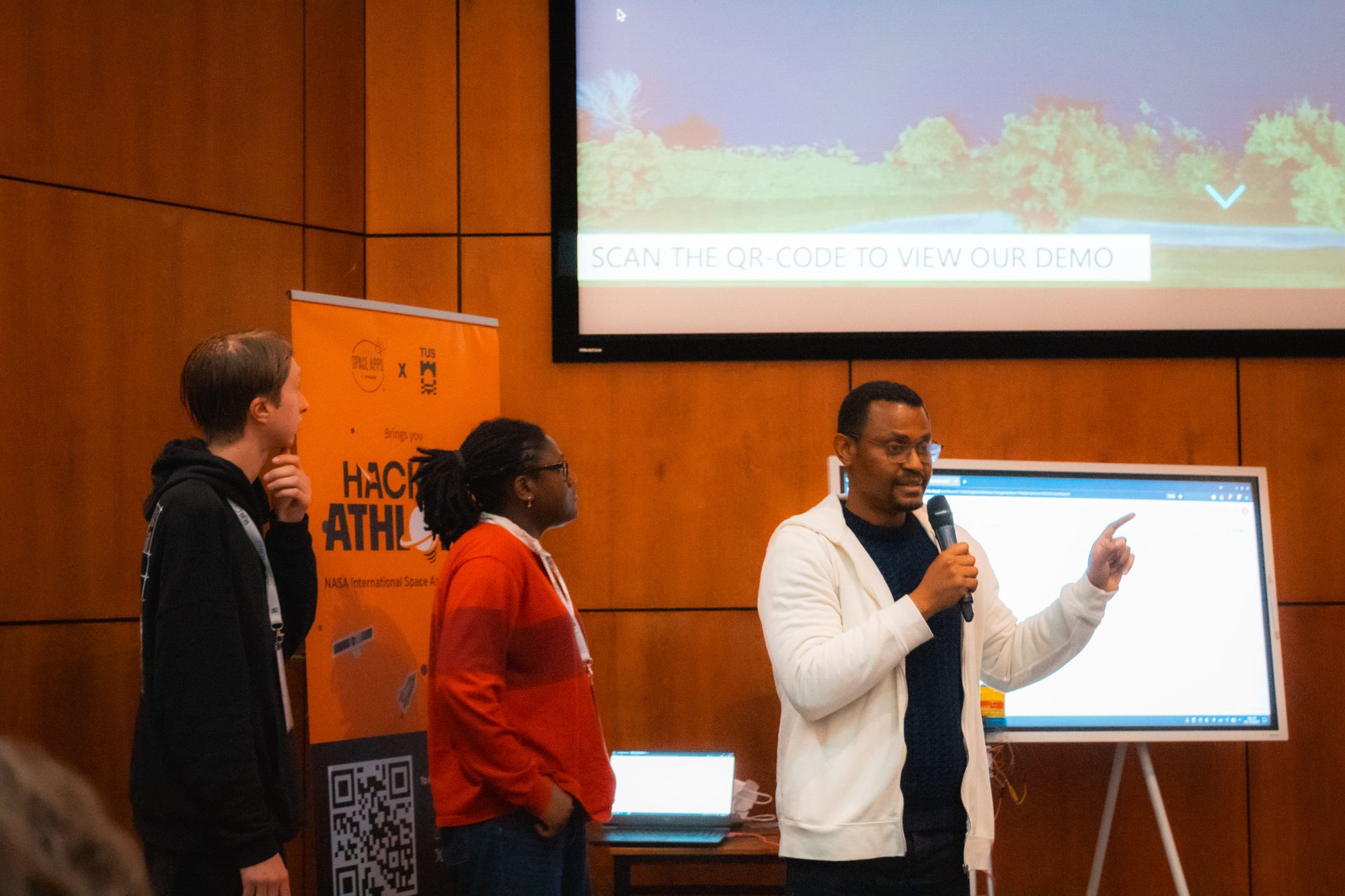
You can take part in HackAthlone 2026 without writing a single line of code. The NASA Space Apps Challenge says so itself: its 2026 Team Formation Guide encourages “participants with non-technical backgrounds to form a team with developers, designers, and people with scientific backgrounds”.
The same guide explains why: “We have found that the most successful projects come from teams of individuals with a variety of skills and backgrounds.” If you’ve been holding back because you don’t program, this post is for you.
What your team has to deliver
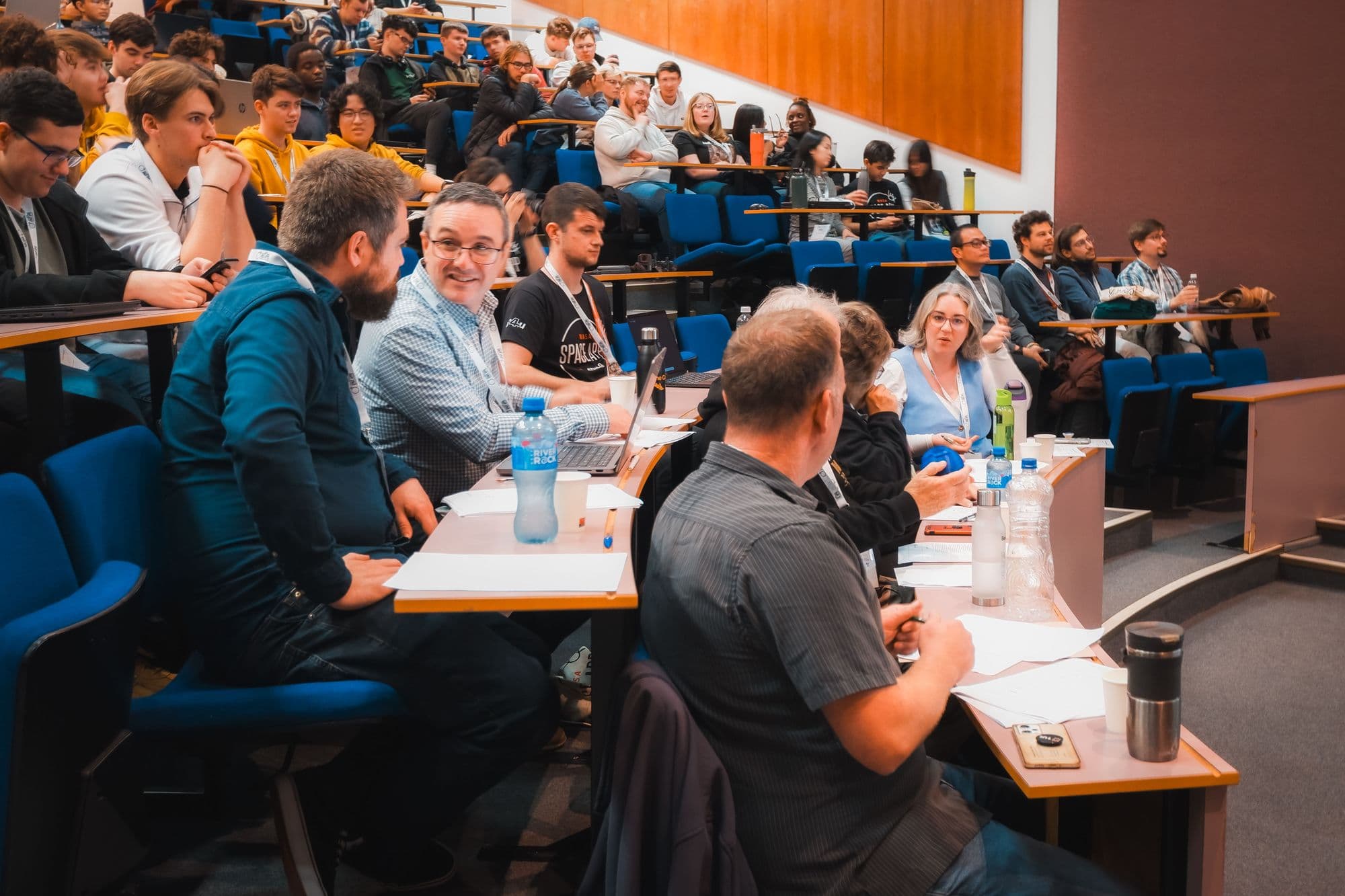
By Sunday, every team needs two things: a project page on spaceappschallenge.org for the global judges, and a pitch for our local judges in Athlone. In 2025, each team had 3 minutes to present and 2 minutes to answer the judges’ questions.
Code is part of that. So is choosing the problem, understanding the data, deciding who the project is for, designing what people will see, writing the project page and standing up to present. A team of brilliant programmers can still come unstuck on every one of those.
Some 2026 challenges are as much about story and design as software. Abandoned but not Forgotten asks you to tell the story of the hardware NASA has left on the Moon, on Mars and in deep space, for school-age space fans. Two challenges ask for games about the trade-offs behind a space mission. The Earth Information Jukebox asks for sound, generated in real time, to go with visuals from NASA’s Earth Information Center. There’s room in all of them for writers, artists, game designers and musicians.
Where non-coders make a difference
Every team needs these jobs done, and none of them needs programming:
- Research. Read the challenge statement closely, find out what the data can and can’t tell you, and check every claim the team makes.
- Design. Sketch the screens on paper or in Figma before anyone builds them. A clear mock-up saves hours of rework.
- Subject knowledge. An agriculture student on the Field Shift farming challenge, or a health science student on the astronaut health challenge, will spot problems a programmer won’t.
- The pitch. Someone has to own the slides and the time on stage, and rehearse until it fits.
- Keeping time. A captain tracks what’s done, cuts features that won’t be ready and makes sure the project goes in before the deadline.
- Testing. Use the thing the way a stranger would, and tell the builders what confused you.
None of these is a consolation prize. In the room on Sunday, the judges hear your pitch and watch your demo. Most of what makes those good happens away from the keyboard.
Proof from Athlone
Dilly Dally came second at HackAthlone 2025 with P.A.M., a Pollen Alert Map for people with hay fever. On their Space Apps team page they described themselves as “4th year business and software students”. Their project was one of four from Athlone nominated for global judging that year.
Their write-up starts with people, not data. Allergies affected people on their own team, and they felt a simple “the pollen is high” alert wasn’t enough. Starting from a real problem like that is a skill, and it isn’t a coding one.
How to get ready without learning to code
Before kick-off on 13 November, here’s what helps most:
- Read the 14 challenge summaries on our challenges page. Note which ones want a story, a game, a map or a tool.
- Look at real data. Open NASA Worldview in your browser and find Athlone from space. Expect cloud. That alone explains why some teams use radar.
- Learn one design tool. Figma’s free Starter plan is plenty for a weekend of mock-ups. Paper and a phone camera work too.
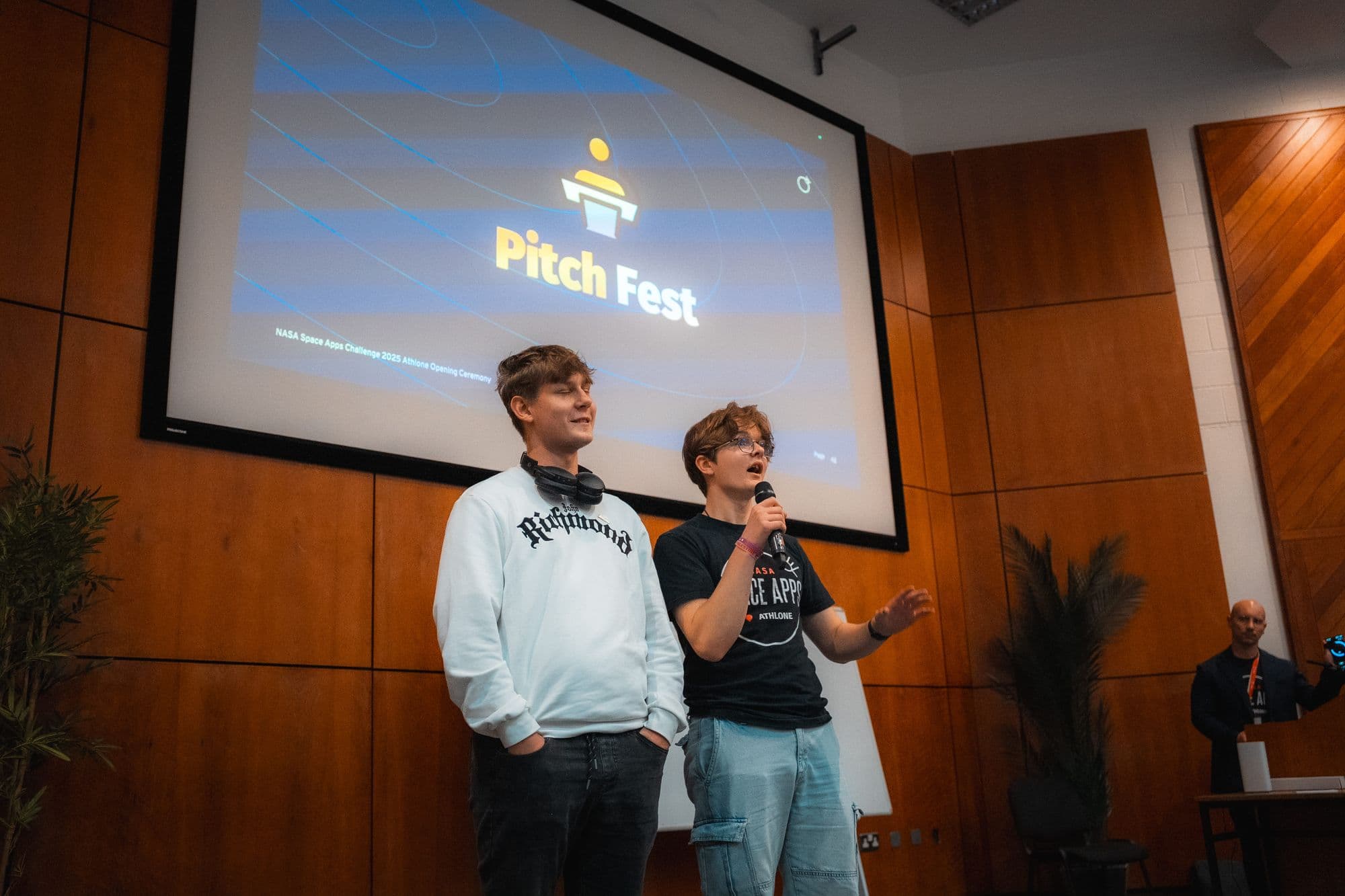
- Practise a 30-second introduction. In past years, Pitch-Fest on the Friday evening gave everyone 30 seconds on stage to pitch an idea, a gap in their team or their own skills.
What to say at Pitch-Fest
Keep it short and specific. Something like: “I study geography, I can read satellite maps, and I’ll write and deliver your pitch. I’m interested in the farming challenge.” A team of three coders will hear that and realise exactly what it’s missing.
You don’t need anyone’s permission to join a team of programmers. You only need to be clear about the job you’ll do for them.
When you’re ready, register on spaceappschallenge.org and choose Athlone as your local event.