Inside the 2025 podium: what Athlone’s winning teams built
Cea-SAR, Dilly Dally and Debugonauts took the top three places at HackAthlone 2025. Here is what each team built, which data they used and how it worked.
By HackAthlone Team
Road to HackAthlone: 21 days to go
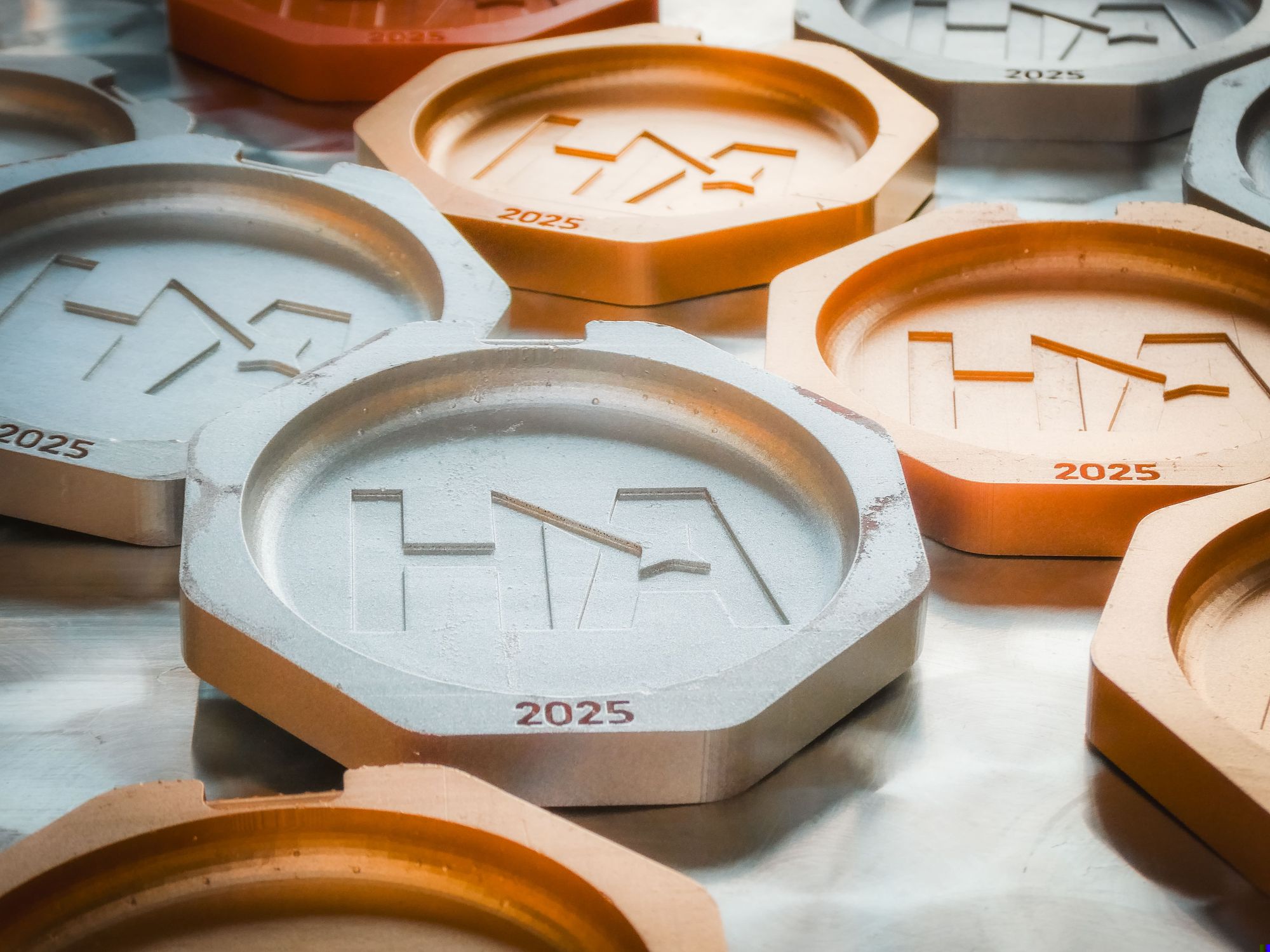
HackAthlone 2025, our local event of the NASA Space Apps Challenge, had 270 registrations, 50 teams and 33 projects submitted to NASA. Four Athlone projects were nominated for global judging: Cea-SAR, Debugonauts, Dilly Dally and TerraWatt. Three of them also took our podium.
Everything below comes from the teams’ own project pages on spaceappschallenge.org, where you can read their full write-ups.
First place: Cea-SAR and the Shannon from space
Challenge: Through the Radar Looking Glass: Revealing Earth Processes with SAR
Cea-SAR called their project The Shannon Pulse. Its aim was to use radar from space to understand, forecast and reduce flood risk across the River Shannon basin.
Synthetic aperture radar (SAR) is a kind of satellite radar that works through cloud and in darkness. In the team’s words, that means it keeps working “even during Ireland’s stormy winters”. Their data came from ESA’s Sentinel-1 mission.
Their workflow ran in Google Earth Engine and was refined in QGIS. It analysed radar backscatter, the signal that bounces back to the satellite, from 2015 to 2024, to map flood extents and pick out areas that flood again and again.
They also designed a system to check the satellite readings on the ground, which they called Ceasar-Ping. It uses ESP32 microcontrollers with sensors for rainfall, wind, temperature, humidity and water levels, meant to be mounted on poles in the floodplains. SIM800L and Iridium modules send the data, with the aim of staying connected even when ground networks fail in severe weather. The plan was to combine the satellite, weather and sensor data to train a model that forecasts high-risk flood zones before they flood.
Six people were listed on the team.
Second place: Dilly Dally and the Pollen Alert Map
Challenge: BloomWatch: An Earth Observation Application for Global Flowering Phenology
Dilly Dally built P.A.M., the Pollen Alert Map. It shows pollen levels for an area as heat tiles, covering weed, tree and grass pollen. It gives a forecast for the next five days, plus predicted risk levels up to six months ahead, so people can plan.
It’s built for people with hay fever. The team wrote that allergies affect people on their own team, and that a simple “the pollen is high” alert wasn’t enough. They wanted something detailed that people could rely on and check with ease.
They built it with JavaScript, HTML and CSS in Visual Studio Code, used GitHub for version control and connected Google’s Pollen, Maps and Geolocation APIs. Their data references include NASA Earthdata, through AppEEARS.
The four of them described themselves as “4th year business and software students”.
Third place: Debugonauts and the giant-image problem
Challenge: Embiggen Your Eyes!
NASA’s images from space can run to billions of pixels, which makes them slow to explore. Debugonauts built a lightweight explorer that makes NASA’s gigapixel and terapixel imagery fast to browse on an ordinary computer.
Their system downloads and stitches NASA map tiles, served through a web standard called WMTS, then cuts them into new 128 by 128 pixel segments. The clever part is something they called semi-lazy rendering. It fully renders only what’s on screen and shows the nearby areas at lower resolution, so scrolling stays smooth.
The back end is Flask (Python) and the front end is React with TypeScript and Tailwind. The imagery came from NASA’s Solar System Treks. According to their page, it needs no specialised hardware.
The five-person team wrote that they had worked together before, and they published a demo video alongside their code.
What the three have in common
- A clear user. People planning for floods on the Shannon. People with hay fever. Anyone trying to explore an enormous image. Each project knew who it was for.
- A demo you could see. Cea-SAR linked a slide deck, Dilly Dally a folder of demo material and Debugonauts a video.
- Code in the open. All three linked a GitHub repository from their project page.
- Honest references. Each listed its data sources and described how it used AI tools. Cea-SAR used generative AI for sample data on their demo website, for setup and debugging, and for four images on their first slide. Dilly Dally used Perplexity for a head start on research, and ChatGPT and Amazon Q for boilerplate code and some debugging. Debugonauts listed AI help with database design, caching, tile loading, performance, debugging and refactoring.
What to take into 2026
None of these teams tried to solve everything. Each picked one problem, found data that fitted it and built something the judges could see working. That’s a pattern worth copying.
Their full write-ups are on the Space Apps team pages for Cea-SAR, Dilly Dally and Debugonauts.